Water comes first
Government guidance gives 2.5–3 litres of drinking water per person per day as a survival minimum. Around 10 litres per person per day allows for basic cooking and hygiene too. Climate, health, infants and pets can change requirements. Use suitable food-safe containers and follow storage instructions.
Food you can actually use
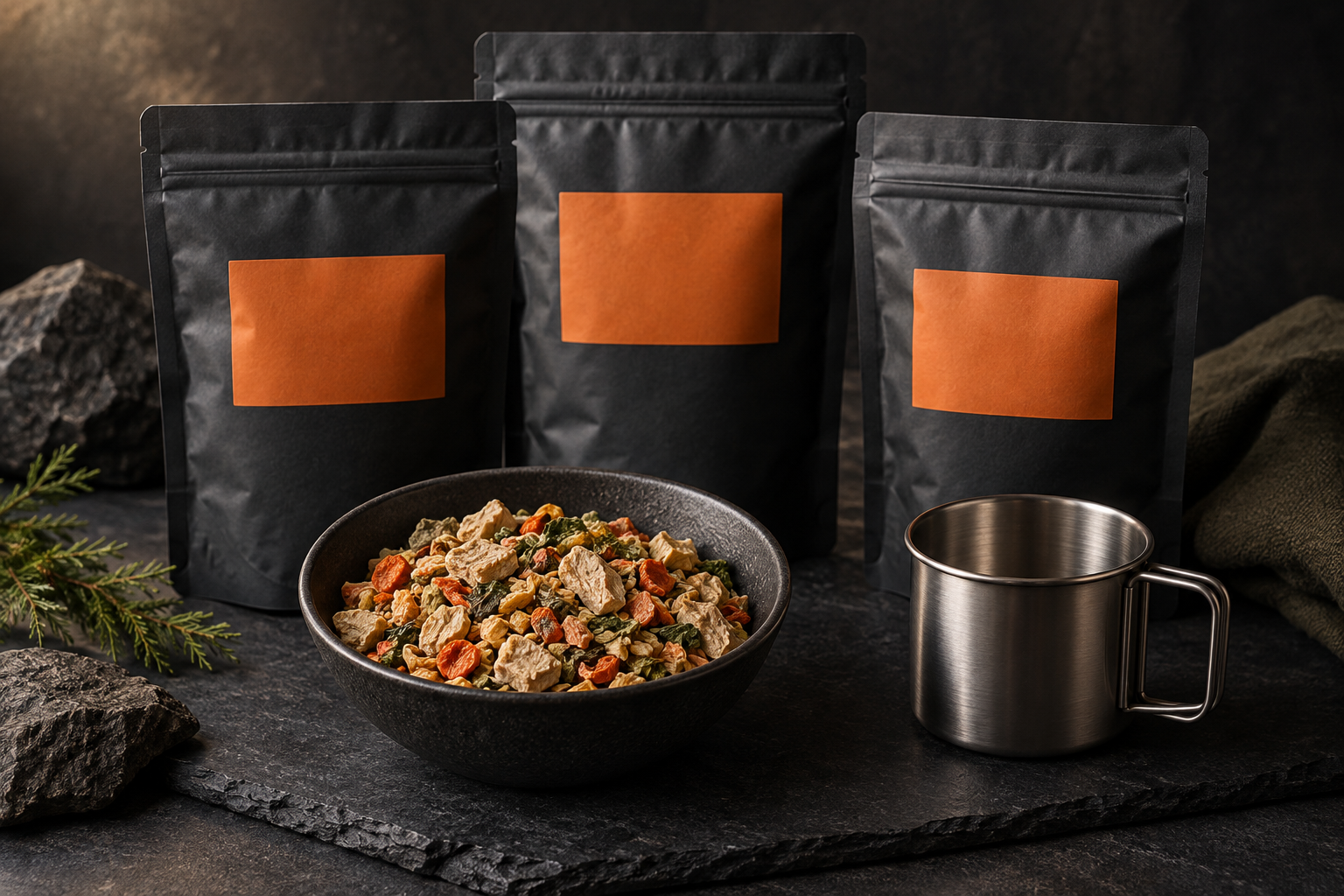
Build a rotating reserve of familiar, shelf-stable food. Include options that do not need cooking. Dehydrated food may require safe water and heating, so read preparation instructions and check allergens, nutrition and dates before choosing it.
Medication and everyday care
Discuss a suitable supply of essential medication with your clinician or pharmacist. Include first aid, hygiene items, infant supplies and any equipment or power needed for medical care.
Light, power and information
Keep torches, spare batteries, a charged power bank and a battery-powered or wind-up radio. Write down key contacts and know where to find official local instructions.
A grab bag and a stay-home plan
Plan for both evacuation and sheltering where instructed. A bag does not replace a safe exit; in a fire, get out immediately without collecting it. Do not use barbecues or generators indoors because of carbon-monoxide risk.
ORIGINAL RESEARCH CHECKED / 13 OCTOBER 2026
Official sources
Confirm the latest guidance before acting.
YOUR NEXT STEP
Build your preparedness checklist